The USD/JPY exchange rate tumbled to its lowest level since May 14 as investors reacted to last week’s Federal Reserve and Bank of Japan (BoJ) interest rate decisions and the latest interventions by the US and Japanese authorities. It plunged to 157.45, down by over 4% from the year-to-date high.
Japanese yen surges on US and Japan intervention
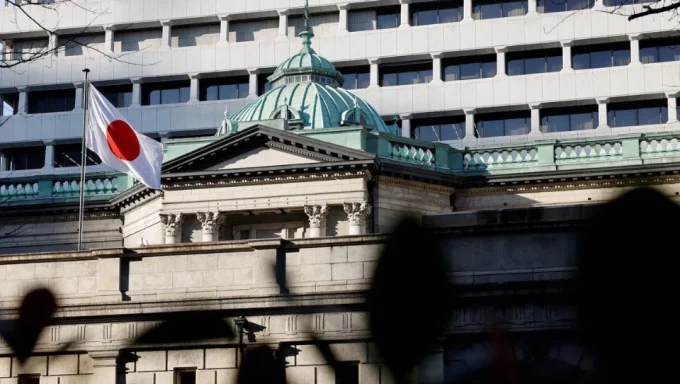
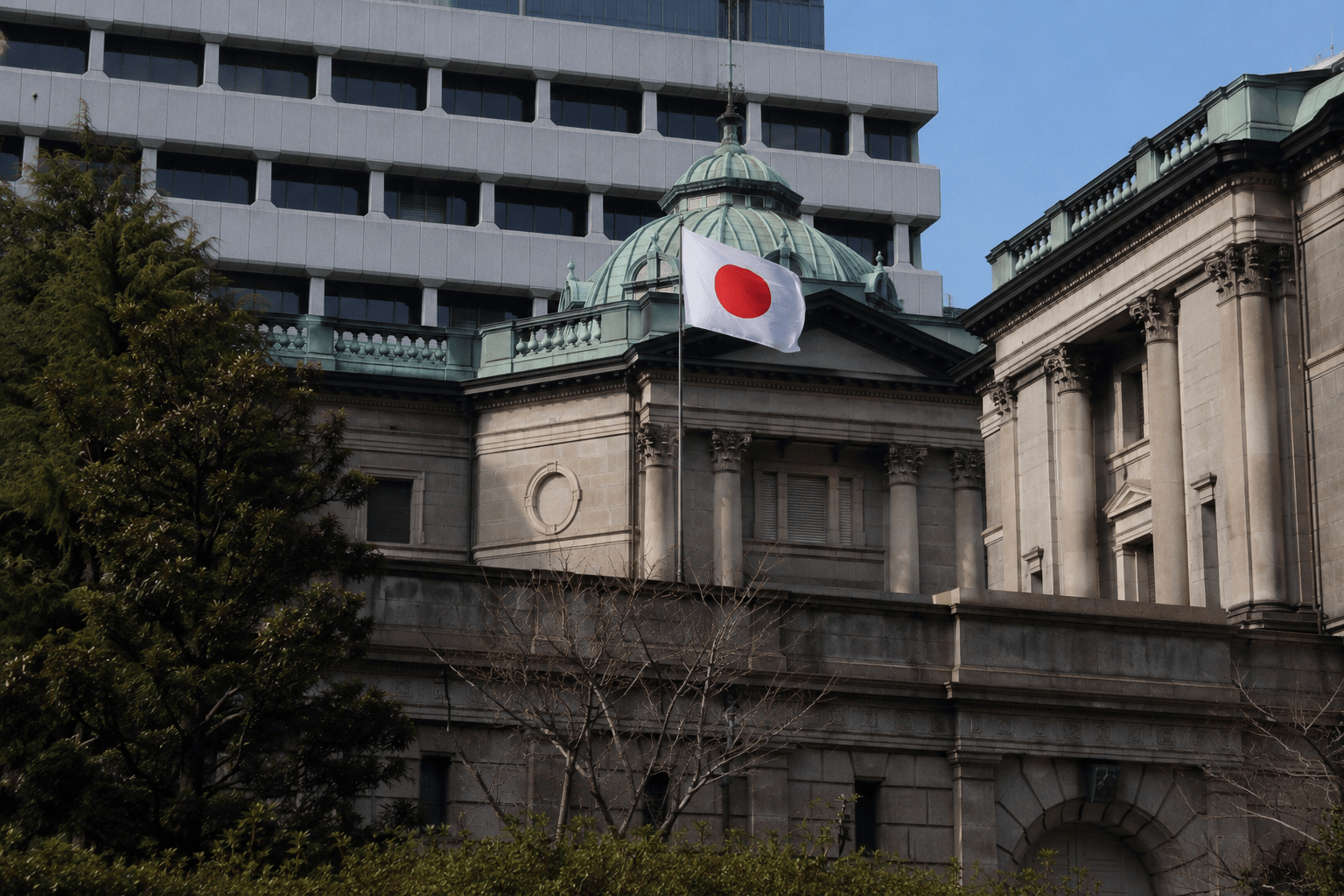
The US and Japan launched a coordinated rescue for the Japanese yen, which tumbled to the lowest level in decades. A report by the Financial Times said that the Federal Reserve of New York sold euros for yen on behalf of the Treasury through Morgan Stanley and Goldman Sachs. It was the first time that the US was intervening to stem the Japanese yen crash.
Notably, the US Treasury had alerted top US banks that it was preparing to intervene. Also, a Reuters photo of Treasury Secretary Scott Bessent’s notepad at a meeting at Camp David noted that he was proposing to buy between $5 billion and $10 billion worth of Japanese yen. The BoJ’s intervention on Thursday was estimated at $52.8 billion.
Meanwhile, Kyodo, a top Japanese publication, noted that the two countries may unveil a policy to address the ongoing yen weakness. This announcement will serve as a warning against speculative bets that have put pressure on the Japanese currency.
Still, it is not clear whether the interventions will have a lasting impact on the Japanese yen. As we saw in April, the Japanese yen surged to 155 after the BoJ launched a major forex intervention. Those gains were short-lived as the currency restarted its downward trend, eventually reaching a low of 163. The only difference this time is that the US is being involved in the rescue.
Still, the fundamentals favor the US dollar against the Japanese yen. For one, the BoJ maintained interest rates unchanged at 1% in its meeting on Friday last week. At the same time, three Fed officials voted to hike interest rates in last week’s meeting, and odds of hikes have jumped on Polymarket.
There is a risk that an escalation of the US-Iran conflict could drive crude oil prices and inflation significantly higher. In that scenario, the Federal Reserve could be forced to raise interest rates to the 4.0%–4.25% range.
Higher US rates would, in turn, increase pressure on the Bank of Japan to continue tightening monetary policy, narrowing the interest rate differential and reducing the attractiveness of the yen carry trade. In a statement after the BoJ decision, the central bank governor said:
“Given that underlying inflation is approaching our 2 per cent price stability target, we believe there is a greater need than before to pay attention to upside risks to inflation.With that assessment in mind, we intend to discuss these issues carefully at future monetary policy meetings.”
USD/JPY technical analysis
USD/JPY chart | Source: TradingView
The daily chart shows that the USD/JPY exchange rate has plunged sharply in the past few weeks, moving from a high of 163.9 to a low of 157. This retreat happened after the pair formed a rising wedge pattern, a common bearish reversal sign.
It has now dropped below all moving averages, while the Relative Strength Index (RSI) has tumbled to the oversold level of 24. Therefore, the most likely scenario is that the pair drops further, potentially to 155 as investors react to the US and Japan interventions. In the long term, however, the pair will bounce back as we experienced after the last interventions.
The post USD/JPY Forecast: Will US and Japan interventions be enough to stop the yen crash? appeared first on Invezz