With the 2026 midterms fast approaching, Mick Mulvaney, the former White House Chief of Staff, issued a stark political assessment on CNBC regarding foreign policy’s fallout on Capitol Hill.
Speaking alongside former US Senator Heidi Heitkamp, he bluntly argued that the lingering Iran war – and the resulting domestic economic pressures – will directly hurt Republicans at the ballot box this November.
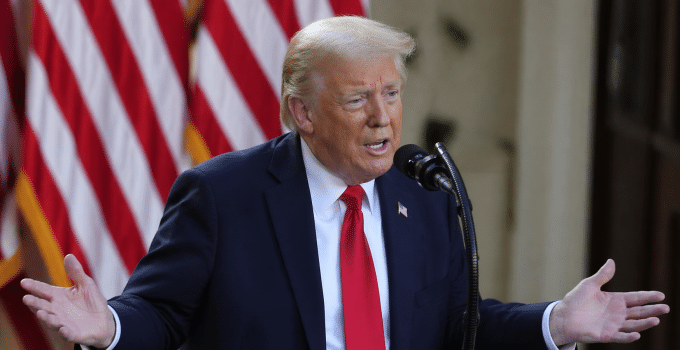
While President Donald Trump has publicly brushed off midterm calculations, Mulvaney warned high energy costs and questionable foreign trade timing could dismantle GOP hopes of maintaining their balance of power.
Why Iran war will hurt Republicans
Mulvaney made clear that while average Americans rarely follow foreign policy closely, they react strongly to daily financial strains.
With the Iran conflict choking traffic through the Strait of Hormuz, oil prices hovering around $90 a barrel, and national gasoline averages surging nearly 30% over the past year, voters are feeling the pinch directly.
“Keep in mind, most Americans… don’t follow foreign policy that closely,” Mulvaney explained. “What they’re really driven by is what they are paying for gas.”
He added that despite foreign policy intentions, these rising energy and food prices are “only going to do one thing to the Republicans and hurt their chances for sure.”
Strategic missteps and bad timing in swing states
Expanding beyond Iran, Mulvaney questioned the White House’s decision to pick trade fights with northern partners like Canada right before a volatile election.
Key battleground states like Michigan, Ohio, and Iowa rely materially on Canadian trade as their largest export market, while Michigan draws significant electricity from its northern neighbour.
Mulvaney noted that while Republicans were expected to hold the Senate, these unnecessary trade disputes put critical states in play that didn’t need to be.
“The administration comes in and puts states in play that we didn’t want to be in play,” Mulvaney warned, adding that timing tariffs alongside military escalations in the Gulf creates political repercussions that “none of them are favorable to the Republicans.”
A looming reckoning for Congressional control
Ultimately, the combination of sustained military conflict, elevated fuel inflation, and tariff friction has severely compromised the GOP’s midterm position.
As Heidi Heitkamp observed during the panel, attempting to rally the Republican base at this stage may be “a little too late” to turn public sentiment around.
Mulvaney echoed the belief that presidents should not govern based strictly on polling, recalling historical precedents like John F. Kennedy’s dilemmas over Vietnam.
However, dispassionate political realities remain unchanged. Without immediate relief at the pump or a swift resolution in the Middle East, Republicans face an uphill battle to keep control of Congress this fall.
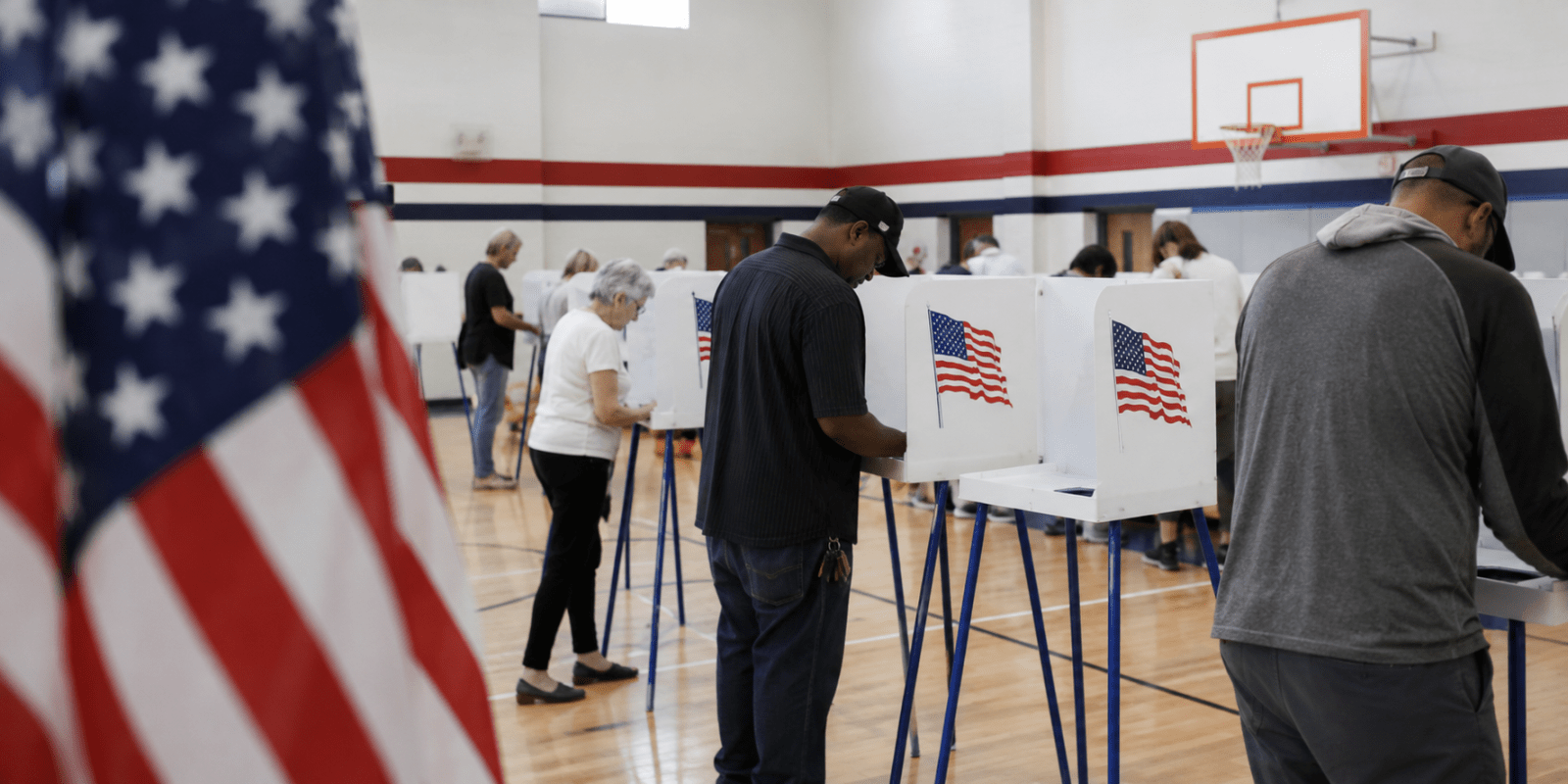
Note that voters across the nation will officially cast their ballots on Tuesday, November 3, 2026.
The post What the Iran war could mean for US midterm elections appeared first on Invezz