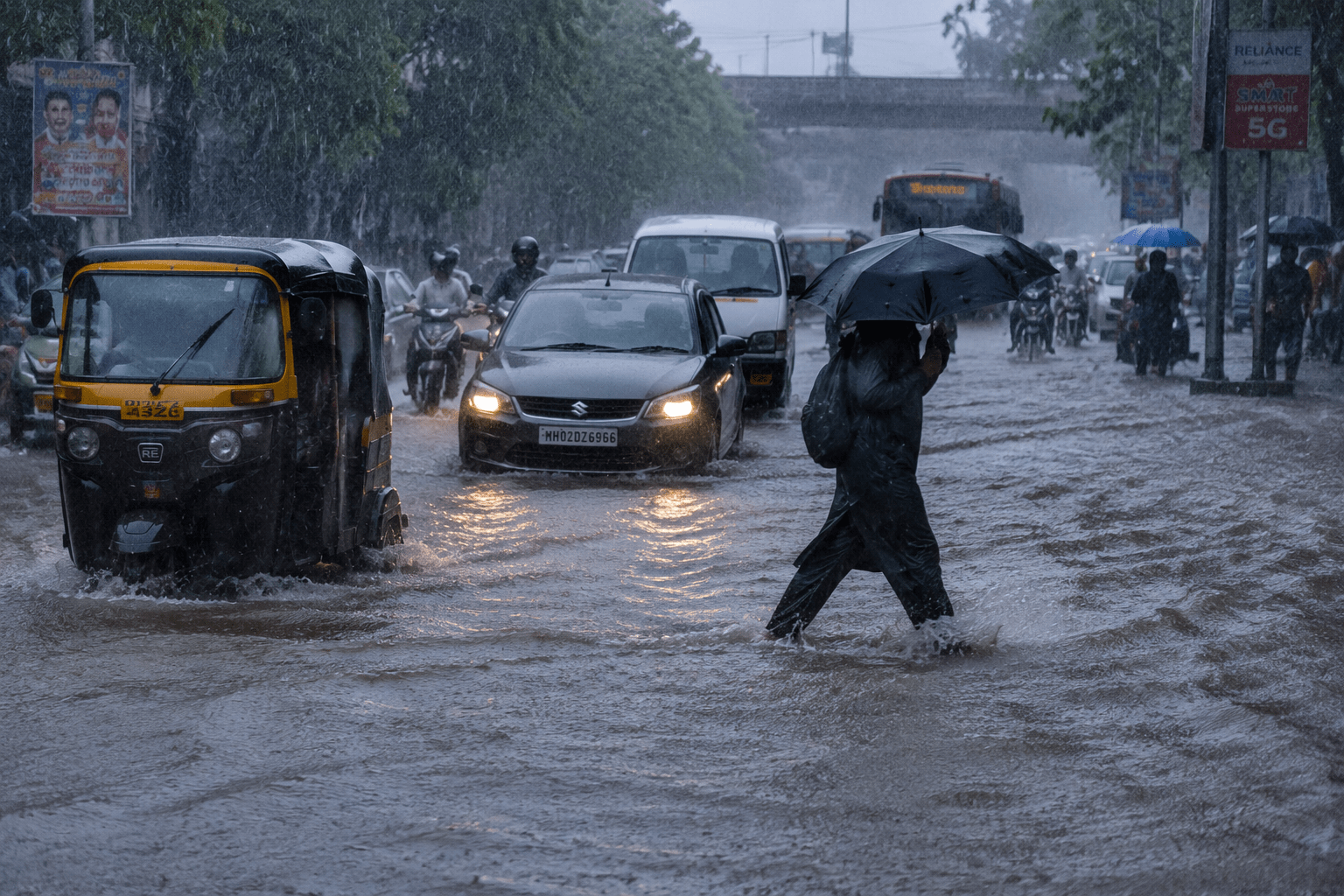
India’s weather office on Friday downgraded its forecast for the 2026 southwest monsoon, predicting rainfall at just 90% of the long-period average (LPA), marking the first below-average season in three years.
The revision, down from an earlier April prediction of 92%, has raised fresh concerns over agricultural output, food inflation, and broader economic growth in Asia’s third-largest economy.
M. Ravichandran, secretary in the Ministry of Earth Sciences, announced the updated forecast at a press conference, attributing the weaker outlook primarily to the likely development of El Niño conditions.
The monsoon, which typically delivers nearly 70% of the country’s annual rainfall, is critical for watering farms, recharging aquifers and reservoirs, and sustaining a sector that employs nearly half of India’s 1.5 billion people.
With the economy hovering near the $4 trillion mark, any significant shortfall in rains could ripple through rural incomes, consumer spending, and overall GDP growth.
Farmers are already grappling with elevated input costs stemming from geopolitical tensions in the Middle East, including the Iran conflict, which has disrupted supply chains and pushed up prices for fertilizers and other essentials.
El Niño set to influence rainfall pattern
The India Meteorological Department (IMD) defines normal monsoon rainfall as between 96% and 104% of the long-period average of about 87 cm over the June-September season.
At 90% of LPA, with a 4% margin of error, this year’s rains fall squarely into the “below normal” category.
June is expected to see particularly deficient rainfall, below 92% of LPA, potentially delaying sowing for key kharif crops.
El Niño, characterised by warmer-than-average sea surface temperatures in the central and eastern Pacific Ocean, often leads to drier conditions across India and other parts of South and Southeast Asia.
Historical data show that India has experienced below-average rainfall in most El Niño years, with some episodes triggering severe droughts.
In 2009, for instance, a weak El Niño contributed to rainfall dropping to just 78% of LPA, one of the lowest in decades.
Weather experts note that the emerging El Niño could strengthen through the latter half of the monsoon season, increasing risks particularly in July, August, and September.
While eastern and northeastern regions may receive near-normal rains, the monsoon core zone, northwest, central India, and parts of the south peninsula face higher chances of deficits.
Risks to agriculture and food security
Agriculture accounts for roughly 18% of India’s GDP, and the monsoon is the lifeline for rain-fed farming, which dominates kharif production of rice, maize, cotton, soybeans, and pulses.
A weaker monsoon could lead to lower soil moisture, affecting not only the current season’s output but also winter crops like wheat and rapeseed that rely on residual moisture.
Small and marginal farmers, who constitute the majority and often lack access to robust irrigation, are especially vulnerable.
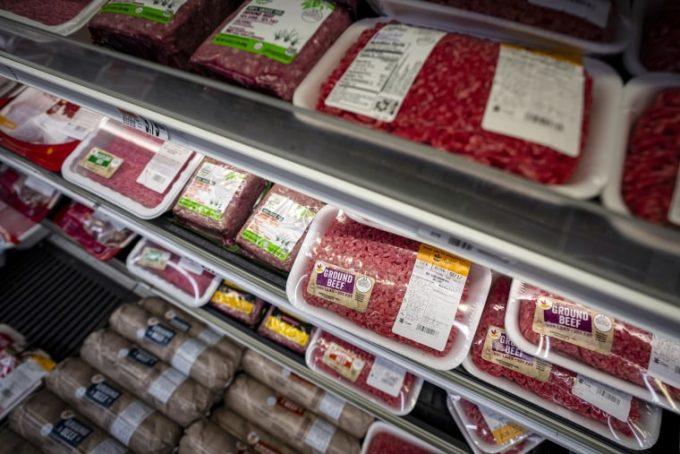
Reduced yields could pressure food prices at a time when inflation is already a concern amid global uncertainties.
The government may need to consider measures such as buffer stock releases, imports, or export curbs on certain commodities to stabilize domestic supplies, as seen in previous deficient years.
Reservoir levels, crucial for irrigation and drinking water, could also come under strain if the rains fall short, potentially exacerbating water stress in key agricultural belts.
Broader economic implications
A sub-par monsoon often weighs on rural demand, which in turn affects sectors ranging from two-wheelers and consumer goods to fertilizers and tractors.
Economists warn that sustained weakness could slow overall growth momentum, even as India navigates global headwinds.
However, the impact depends on the spatial and temporal distribution of rainfall—timely rains in critical phases can sometimes mitigate overall deficiencies.
The forecast comes against the backdrop of two consecutive years of above-average monsoons, which had boosted agricultural production and helped moderate food inflation.
This year’s outlook reverses that trend, testing the resilience of India’s farming systems and policy preparedness.
Government and expert response
Officials have emphasised that while the forecast is below normal, modern farming practices, expanded irrigation coverage, and crop diversification could help cushion the blow.
Promotion of drought-resistant varieties, such as millets, and efficient water management are likely to gain renewed focus.
Private forecasters like Skymet had also indicated risks of below-normal rains earlier in the season.
As the monsoon onset approaches, all eyes will be on daily weather updates and the progress of rains across different regions.
Farmers, policymakers, and markets will be watching closely for any signs of recovery or further deterioration in the outlook driven by Pacific Ocean conditions.
The coming weeks will be decisive in determining whether India can navigate this climatic challenge without significant disruptions to its food bowl and economic stability.
The post India cuts monsoon forecast to 90% of normal, raising crop worries appeared first on Invezz