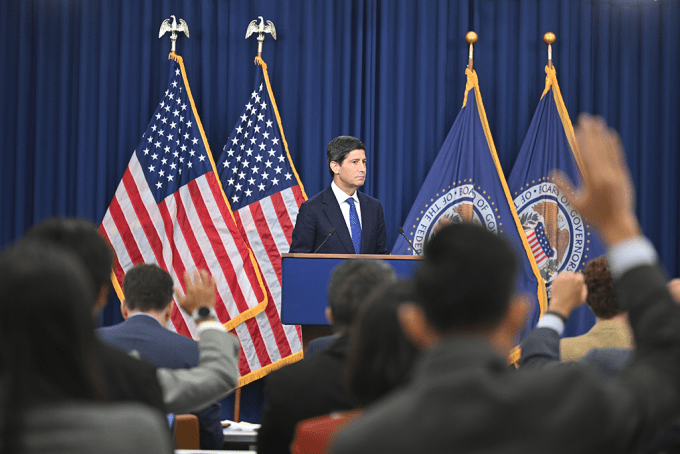
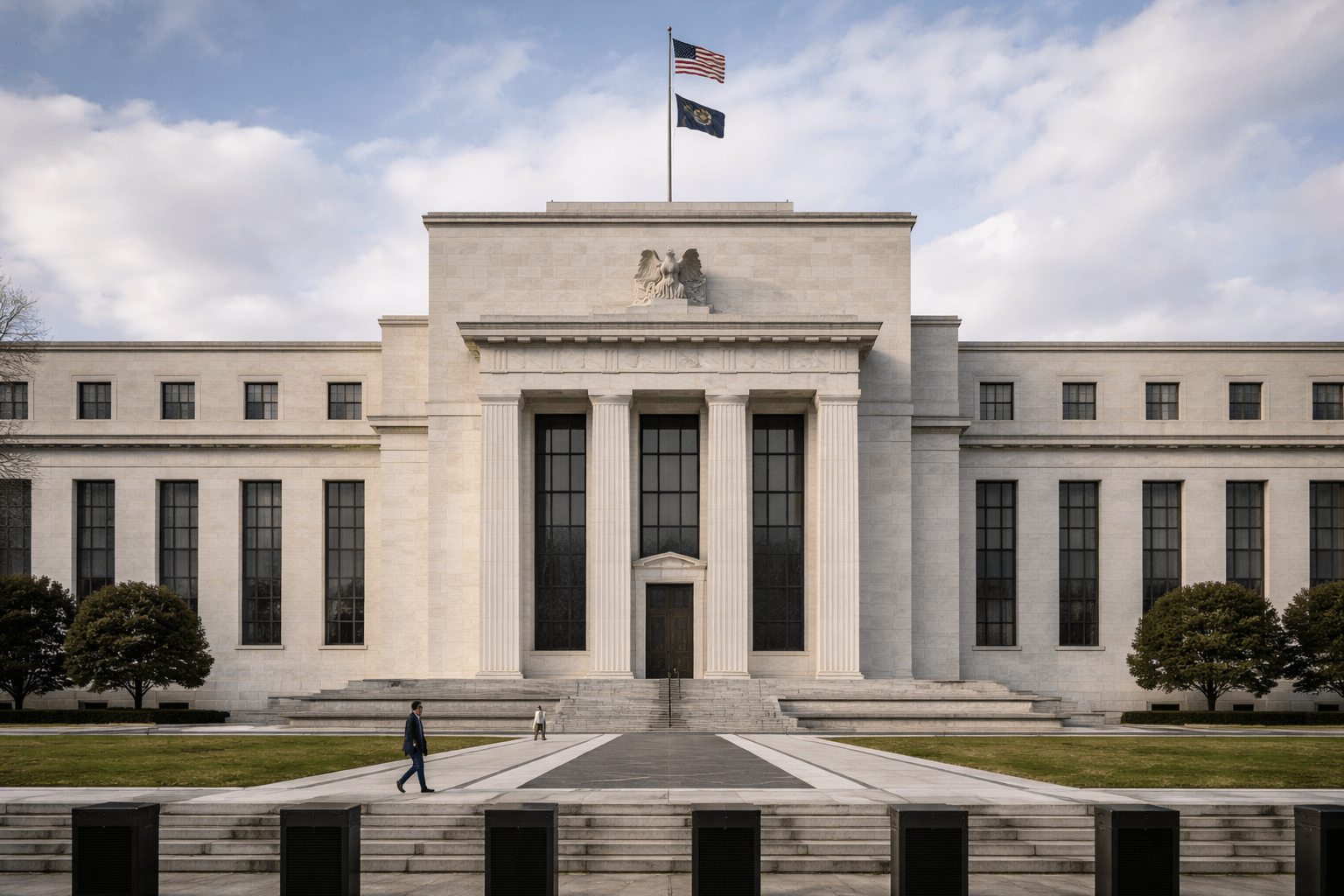
Goldman Sachs has pushed its forecast for the Federal Reserve’s next rate cuts into 2027, signalling that stronger US growth, firmer hiring and stubborn inflation risks may keep monetary policy tighter for longer than markets had expected.
The Wall Street bank now expects the Fed to leave rates unchanged through 2026, with cuts pencilled in for June and December 2027.
Its previous forecast had called for two 25-basis-point reductions, one in December 2026 and another in March 2027.
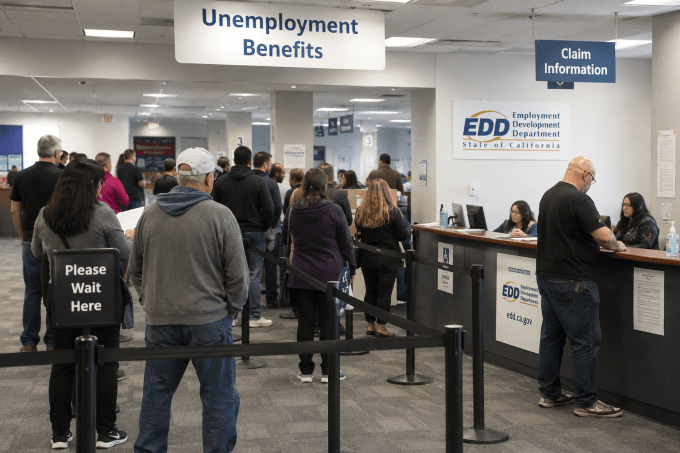
The revision followed a stronger-than-expected US jobs report that pointed to renewed resilience in the labour market.
For policymakers, that matters because a healthier economy gives the central bank more room to wait before easing, even as households and businesses face pressure from tariffs, elevated energy costs and the broader fallout from the Middle East conflict.
Jobs data resets the Fed debate
The US labour market has again become the key anchor for rate expectations.
A robust payrolls report suggested that hiring momentum remains strong enough to absorb tighter financial conditions, reducing the urgency for the Fed to deliver support through lower borrowing costs.
Goldman said resilient activity and employment data also lowered the threshold for a rate hike.
The bank stressed that this was not because the economy appeared to be overheating, but because a stronger starting point would make any future increase less likely to look like a policy error.
That distinction is important. A rate hike is still not Goldman’s base case, but the firm now sees it as slightly more plausible than before.
In other words, the debate has shifted from when the Fed can cut to whether inflation pressures could force officials to tighten again.
Inflation risks keep cuts further away
Goldman’s new view reflects a broader rethink of the inflation path.
The bank said the Fed’s most likely course is to wait until the effects of tariffs, higher oil prices linked to the Iran conflict and other war-related pressures fade from the data.
Core PCE inflation, the Fed’s preferred underlying price gauge, is also central to the call.
Goldman expects policymakers to hold back until year-on-year core PCE moves closer to the 2% target.
That would give officials more confidence that inflation is not being kept alive by supply shocks, trade costs or energy volatility.
The bank also cited the need for some cooling in AI-driven demand, which it views as overstated.
That adds another layer to the policy outlook, as the Fed must judge whether the investment boom around artificial intelligence is creating durable growth or simply adding short-term heat to parts of the economy.
Wall Street moves toward a longer pause
Goldman is not alone in expecting a prolonged Fed pause.
Nomura last month also forecast that the central bank would remain on hold through 2026, underscoring how quickly rate-cut expectations have been pushed back.
For markets, the shift is significant.
Traders are now assigning a 75.5% probability to Fed rate hikes by the end of the year, according to CME FedWatch data.
The post Fed cuts delayed again? Goldman Sachs now sees easing only in 2027 appeared first on Invezz