US 30-year government bond yields rebounded for the second consecutive day, reaching a high of 5.250%, up modestly from this week’s low of 5.17%. It is hovering near the year-to-date high of 5.337%, its highest level since 2007. Still, there is a likelihood that the yield will continue rising in the coming months despite the Treasury Secretary interventions.
US 30-year bond yields are soaring | Source: TradingView
US 30-year bond yields are soaring
Long-term government bond yields have been in an upward trajectory in the past few years, moving from the pandemic low of 0.722% to a two-decade high of 5.337% this week.
This surge pushed Scott Bessent, the Treasury Secretary, to intervene by announcing a large buyback. This is a situation where the department is buying back older, less liquid bonds while continuing to issue new ones. It is essentially a trade-in, where the bank swaps old paper for new, a move meant to improve liquidity and market functioning.
The intervention, which Bessent promised would continue, helped to boost US bonds a bit, with the yield falling from this week’s high of 5.337% to a low of 5.177%. This performance was, however, brief, as it resumed the uptrend, moving to the current 5.25%.
Recent history shows that these interventions tend to have short-term impact. A good example is the recent Japanese yen intervention. The USD/JPY pair initially dropped from the year-to-date high of 163.96 to a low of 155.23. It then bounced back, reaching a high of 159.50, and the uptrend may continue.
Japanese yen and Treasuries rescue were related
To outside observers, the two rescue plans are unrelated. However, in reality, they are all related, as we wrote here.The US decided to intervene in the Japanese yen situation because Japan is the biggest holder of US debt.
The US intervened to rescue the Japanese yen because officials believed that Japan would go ahead and sell its US bond holdings and deploy the proceeds to rescue the yen. Such a move would have pushed US bond yields higher over time.
The latest bond market rescue happened as the Treasury remained concerned about the direction of the yield. Most notably, recent data showed that the cost of servicing the US debt jumped to over $1.4 trillion in the last year. This trend will continue in the coming years as the US continues to spend more money than it is making.
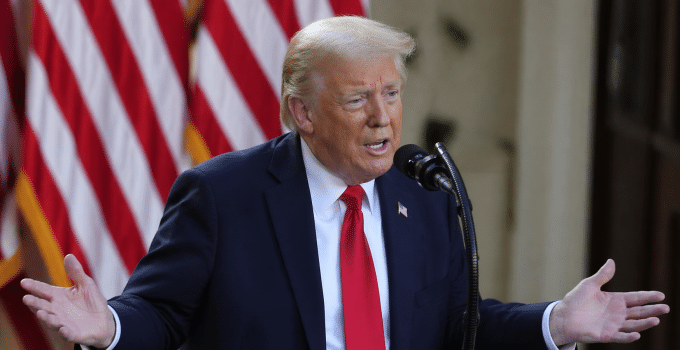
US budget deficits are being made worse by some of Trump’s policies, including his vanity projects. For example, he is planning to spend $275 billion in a new class of battleships. Each of the ships is estimated to cost over $18 billion, a figure that will ultimately be higher than expected.
The rising bond yields are a reflection of the state the US economy finds itself in this year. Its total outlays are estimated at $7.4 trillion this year, against $5.6 trillion of revenues. This will bring the deficit to about $1.9 trillion, which is equivalent to 5.8% of the GDP.
One reason for the deficit is that the Big Beautiful Bill led to substantial tax cuts. Estimates are that corporate income taxes are falling partly because of the Reconciliation Act that allowed larger investment deductions.
Sadly, there is no easy way out, meaning that the bond yields will likely continue rising. Ideally, the best way to address the crisis and boost confidence of the bond market would be a commitment to raise revenues, potentially through more taxes, and then reduce spending, something that is unpalatable in Washington.
As such, the risk is that the US bond yields will continue rising in the coming years, continuing a trend that started during the pandemic when they bottomed at 0.722%.
The post 30-year Treasury yields: why they're set to soar despite Bessent's intervention appeared first on Invezz