Virgin Galactic shares (SPCE) plunged on Tuesday, reversing part of a dramatic rally that had made the stock one of the biggest gainers among space-related companies in recent weeks.
The stock fell as much as 38%, marking its steepest one-day decline on record, after the space tourism company announced plans to repay debt by issuing common shares.
The selloff came after a seven-session winning streak that had driven the stock more than 200% higher, fueled by growing enthusiasm surrounding the space sector ahead of SpaceX’s highly anticipated initial public offering.
Despite the sharp decline, Virgin Galactic shares remained significantly higher for the year, reflecting renewed investor interest in the broader space economy.
Debt repayment plan sparks selloff
The immediate trigger for Tuesday’s decline was Virgin Galactic’s decision to redeem a substantial portion of its outstanding debt through stock issuance.
According to a filing with the Securities and Exchange Commission, the company plans to redeem up to $30.5 million of its first-lien notes on June 10, 2026, by issuing common shares to noteholders.
Virgin Galactic had previously redeemed $10 million of the debt in May.
The company still faces obligations to repay approximately $20.4 million by September 2026 and at least another $10.1 million by the end of 2027.
Management said the transaction is intended to strengthen the balance sheet and manage cash resources more effectively.
If completed, the redemption would satisfy all required principal payments on the first-lien notes through the end of 2027.
However, investors reacted negatively to the prospect of dilution.
At recent share prices, the transaction could require the issuance of millions of additional shares, reducing the ownership percentage of existing shareholders.
The move highlights the challenges facing Virgin Galactic as it continues investing in its commercial space tourism ambitions while managing its financial position.
SpaceX IPO excitement lifts sector
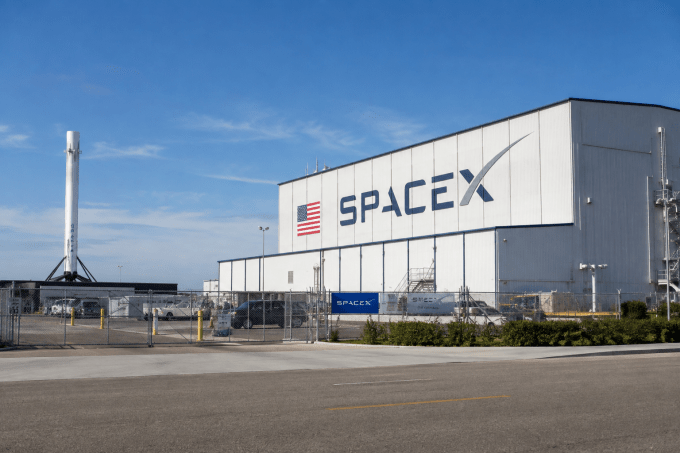
Virgin Galactic’s recent rally had been closely tied to growing excitement surrounding SpaceX’s planned public offering.
SpaceX is expected to raise record amounts of capital and could be valued at roughly $2 trillion, drawing renewed attention to the commercial space industry.
Investors have increasingly viewed SpaceX’s success as evidence of the long-term potential of the space economy.
The enthusiasm has spread across the sector, benefiting a range of space-related stocks and exchange-traded funds.
Retail investor activity also increased in recent weeks, while short-covering activity may have contributed to the sharp gains in Virgin Galactic shares.
Additional optimism emerged after investor Rich Huang and RichRich Capital disclosed a 5.26% stake in the company, a development that many investors viewed as a vote of confidence in Virgin Galactic’s future prospects.
Delta spacecraft progress remains a key focus
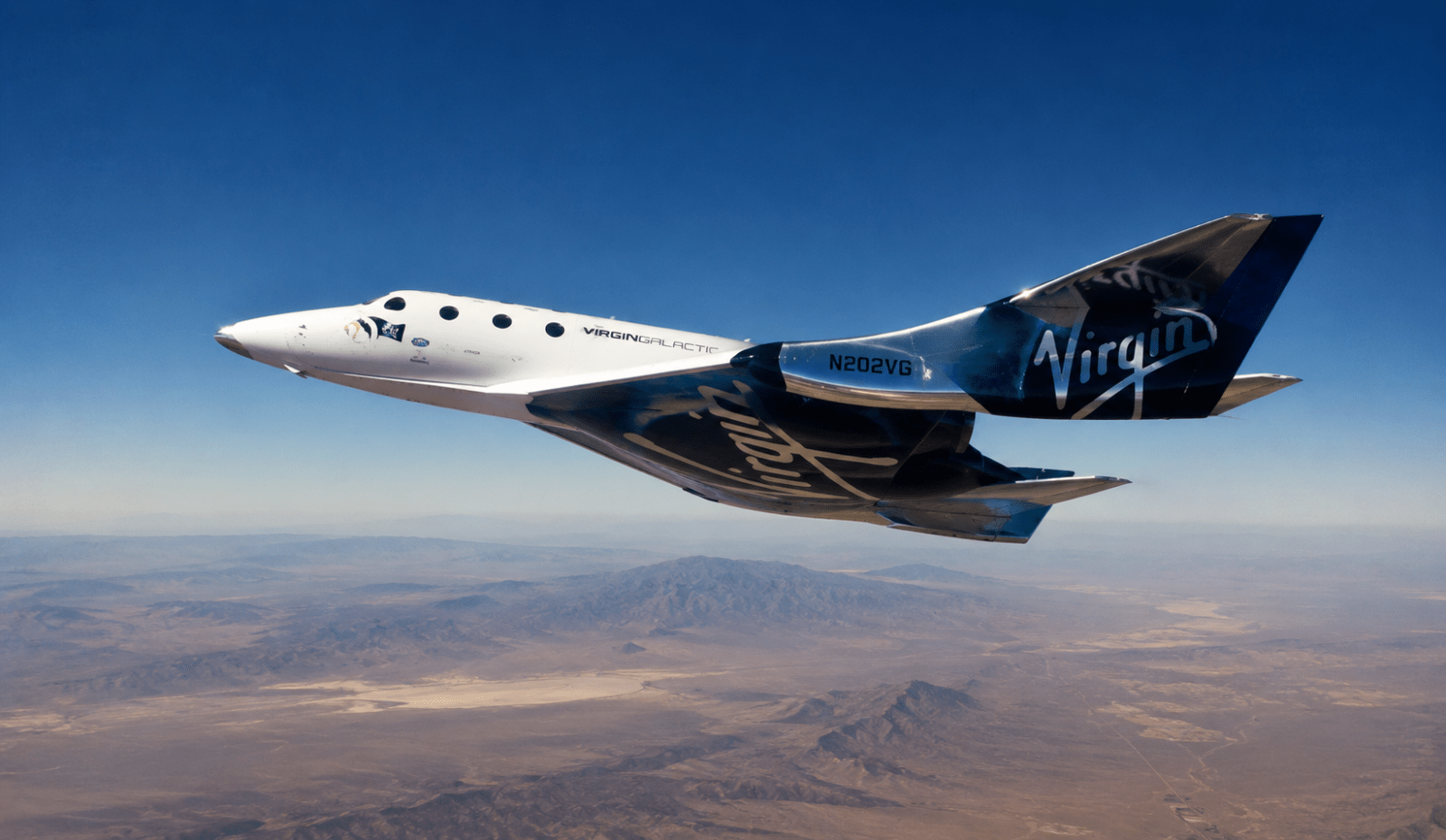
Beyond the broader sector rally, investor sentiment has also been supported by progress on Virgin Galactic’s Delta-class spacecraft program.
The company recently announced that its spacecraft had returned to New Mexico for test flights designed to prepare pilots and operations teams for future missions.
Virgin Galactic continues to target the fourth quarter of 2026 for the start of commercial operations using its next-generation spacecraft.
While the company remains far below the valuation levels reached during the peak of investor enthusiasm several years ago, management is betting that the Delta program will help establish a sustainable commercial space tourism business.
For now, however, investors appear focused on the near-term impact of share dilution and the financial costs associated with bringing that vision to market.
The post Virgin Galactic stock crashes 38%: Here's why investors are selling appeared first on Invezz